Hotel FF&E Purchasing Solutions: A Complete Overview from Sourcing to Site Delivery

Hotel projects move fast, but the pressure behind the scenes is even faster. Owners, contractors, and designers all work toward one goal: opening the property on time without exceeding the budget. In many cases, delays and unexpected costs happen because purchasing systems are poorly managed. That is why hotel ff&e purchasing solutions have become essential for modern hospitality projects across the United States.
Guests may never think about procurement, but they immediately notice the results. Comfortable furniture, working lighting, durable fixtures, and organized spaces all shape the guest experience. According to the American Hotel & Lodging Association, furnishing and operational equipment costs account for nearly 12% to 16% of total hotel development budgets in the U.S. That percentage shows how important purchasing management has become for developers and operators.
I have personally seen hotel projects struggle because procurement decisions were made too late. In one California hotel renovation, furniture arrived weeks before construction was completed, forcing the ownership team to pay additional warehouse fees and repair damaged products later. Problems like these explain why structured purchasing systems are now a major part of hotel planning.
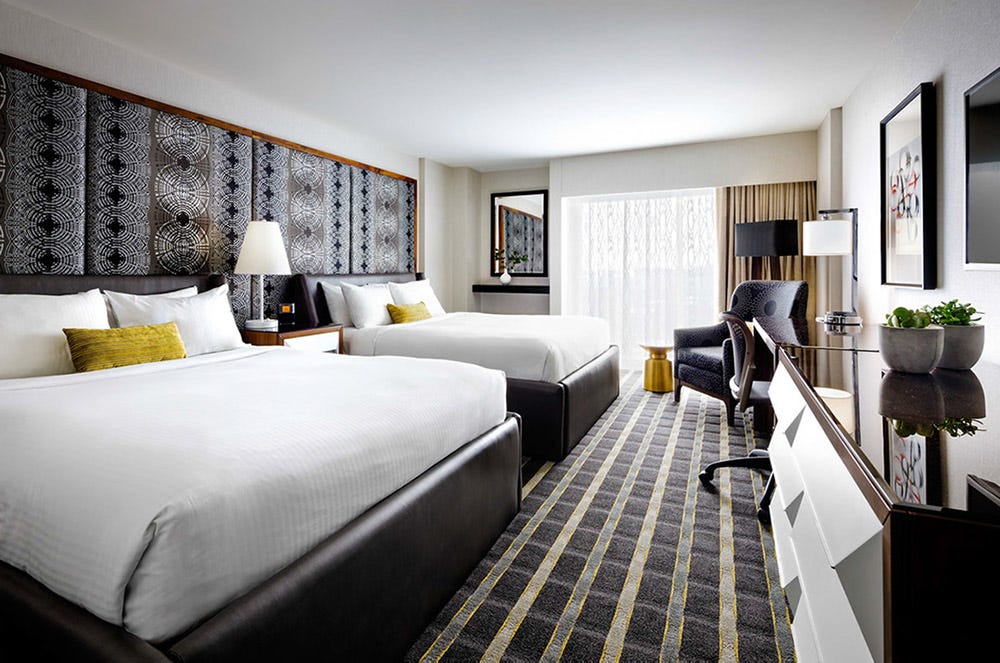
Why Hotel Purchasing Problems Continue to Hurt Projects
Many hotel owners assume purchasing furniture and equipment is a simple process. In reality, hospitality projects involve hundreds or even thousands of products arriving from multiple suppliers at different times. One delay can create a chain reaction affecting contractors, installers, and opening schedules.
Budget overruns are one of the biggest problems in hotel development today. Rising shipping costs, inflation, labor shortages, and material delays continue to impact hospitality projects across the United States. According to Dodge Construction Network, construction-related furnishing costs increased significantly between 2021 and 2025, placing additional pressure on hotel budgets.
Communication issues also create major setbacks. Designers may approve products that exceed operational budgets, while contractors may request delivery changes without informing procurement teams. Without organized coordination, hotels often face expensive mistakes during the installation phase.
Another issue comes from inaccurate quantity planning. Missing furniture counts or duplicate orders can waste thousands of dollars. This is why many hospitality companies now depend on FF&E takeoff services to improve inventory accuracy before purchasing begins. Proper quantity estimation reduces waste and improves scheduling throughout the project.
Understanding How Procurement Solutions Support Hotel Projects
Modern hotel ff&e purchasing solutions are designed to manage the full purchasing lifecycle from early sourcing to final site delivery. These systems help procurement teams organize budgets, coordinate vendors, track shipments, and monitor installation progress more efficiently.
The process usually begins during the design development stage. Designers create schedules listing furniture, lighting, fixtures, and equipment required for guestrooms, lobbies, restaurants, and outdoor areas. Procurement specialists then review those schedules to compare pricing, production timelines, and supplier reliability.
Once products are approved, purchasing teams negotiate contracts and place orders according to project schedules. Hotels operating under major brands like Hilton or Marriott often work with approved vendors to maintain consistency and reduce supply risks. Independent hotel owners may use procurement consultants to achieve similar organization and cost control.
Technology now plays a larger role in procurement management as well. Many firms use digital purchasing platforms that track purchase orders, approvals, invoices, and shipping updates in real time. These systems improve visibility and reduce manual coordination problems during large hospitality developments.
Good procurement solutions also improve accountability between departments. Ownership groups can monitor budgets more accurately while project managers receive better delivery coordination support throughout the installation process.
The Importance of Strategic Vendor Sourcing
Vendor sourcing is one of the most critical stages in hospitality purchasing. Hotels depend on reliable suppliers because guest satisfaction is closely tied to furniture durability, room functionality, and overall appearance. Selecting vendors based only on low pricing often creates bigger operational issues later.
Experienced procurement teams evaluate suppliers carefully before final approvals. Product samples are reviewed for finish quality, durability, and consistency. Manufacturing timelines, warranty coverage, and communication reliability are also considered before contracts are signed.
I once worked with a hotel renovation project in Arizona where imported seating products looked excellent during showroom presentations but arrived with inconsistent materials during final production. The procurement team caught the issue early enough to avoid installation delays, but the situation showed why supplier verification matters.
Supplier diversification has also become common in American hotel development. Many procurement teams now divide orders between domestic and international manufacturers to reduce shipping risks. Domestic suppliers may offer faster replacement timelines, while overseas factories can sometimes provide better pricing for large production runs.
Detailed planning supported by FF&E takeoff services helps procurement managers communicate exact product quantities with suppliers. Better inventory accuracy improves purchasing efficiency and reduces unnecessary expenses during later project phases.
Budget Control and Financial Planning Strategies
Hospitality procurement requires more than product selection. Financial planning is one of the most difficult parts of hotel development because costs continue changing throughout the project lifecycle. Freight fees, material shortages, and installation expenses can quickly increase total spending.
Strong budgeting begins with realistic forecasting. Procurement teams must account for transportation, taxes, warehousing, insurance, and contingency reserves in addition to furniture pricing. Many first-time hotel developers underestimate these hidden operational costs during early planning stages.
Value engineering is another common strategy used in procurement management. This process allows teams to substitute materials or products without reducing functionality or guest satisfaction. For example, some mid-scale hotels now replace imported natural stone surfaces with engineered materials that offer lower costs and easier maintenance.
I have noticed that independent hotel owners often try handling procurement internally to save money. Unfortunately, lack of experience sometimes creates larger financial losses later. In one Florida beachfront hotel project, incorrect quantity tracking caused duplicate room furniture orders that added tens of thousands of dollars in unnecessary spending.
Organized purchasing systems help reduce these risks by tracking approvals, delivery schedules, and budget performance more carefully. Procurement teams that maintain detailed records usually control project finances more effectively throughout construction.
Logistics and Delivery Coordination Challenges
After products are ordered and manufactured, logistics management becomes the next major challenge. Hotel projects involve shipments arriving from different suppliers across multiple timelines. Without organized coordination, installation schedules can quickly become chaotic.
Warehousing services are often used to manage deliveries more efficiently. Procurement firms receive shipments at storage facilities where products are inspected for damage, counted, and organized before transportation to the hotel site. This extra inspection process helps reduce installation delays caused by missing or damaged inventory.
Urban hotel developments face even greater logistical pressure. Properties located in cities like New York, Chicago, and Los Angeles often deal with strict delivery restrictions, limited unloading space, and traffic scheduling requirements. Procurement teams must coordinate carefully with contractors to avoid delays.
Delivery timing is extremely important because furniture installation depends on construction progress. Guestroom flooring, painting, and electrical systems usually need completion before furnishings can be installed safely. Delays in construction often force procurement managers to reschedule deliveries and warehouse products temporarily.
Accurate quantity planning supported by FF&E takeoff services also improves delivery coordination. Organized inventory systems reduce confusion during unloading and installation while helping teams identify shortages before guestrooms are finalized.
Site Installation and Final Quality Assurance
The final installation stage is where procurement planning becomes visible to hotel owners and future guests. Even high-quality products can create negative impressions if installation work is rushed or poorly coordinated. Attention to detail during this phase directly affects guest satisfaction after opening.
Installation teams place furniture, lighting, artwork, and operational equipment according to approved layouts and design plans. Procurement specialists typically review guestrooms and public spaces to verify correct placement and identify any damaged or incomplete items.
Punch-list inspections are a standard part of hospitality projects. Teams document scratches, finish inconsistencies, missing hardware, and installation problems before the hotel opens. These reviews help protect both brand standards and long-term operational quality.
Research from Cornell University’s School of Hotel Administration shows that room quality and furniture condition strongly influence online guest review ratings. Guests quickly notice damaged fixtures or poor furniture placement, and negative reviews can affect future booking performance significantly.
Training hotel staff after installation is another important but overlooked step. Housekeeping and maintenance teams should understand how to clean and maintain new furnishings properly. Incorrect cleaning methods can damage surfaces quickly and increase replacement expenses after opening.
Proven Approaches for Long-Term Procurement Success
Successful hotel projects usually depend on planning, communication, and organization more than expensive products alone. Hotel ff&e purchasing solutions work best when procurement teams are involved early in the design and budgeting process rather than after construction has already started.
Clear communication between designers, contractors, procurement specialists, and hotel operators is essential throughout every project phase. Teams that share updated schedules and accurate documentation usually avoid major delays and budget conflicts during installation.
Technology is also improving hospitality procurement efficiency. Digital tracking systems now allow teams to monitor budgets, shipment timelines, approvals, and inventory in real time. These tools reduce manual errors and improve accountability between departments.
Conclusion
Sustainability is becoming another growing focus in the hospitality industry. Many hotels now request energy-efficient lighting, recyclable materials, and environmentally responsible furniture products as part of their purchasing strategies. These decisions support both operational savings and brand reputation.
From my experience, procurement success rarely comes from choosing the cheapest supplier. It usually comes from careful coordination, reliable partnerships, and realistic planning from the beginning. Hotels that invest in organized hotel ff&e purchasing solutions often complete projects faster, control budgets more effectively, and create stronger guest experiences after opening.
As competition in the hospitality industry continues growing, hotel ff&e purchasing solutions will remain one of the most important systems supporting hotel development. From sourcing and budgeting to delivery and installation, structured procurement management helps hotels reduce risks, improve efficiency, and deliver better experiences for guests across every stage of the project lifecycle.